Services · Cataract
Small-incision, sutureless phacoemulsification done as day-care surgery — you're in, out and home the same day, with a lens chosen for the way you actually live.
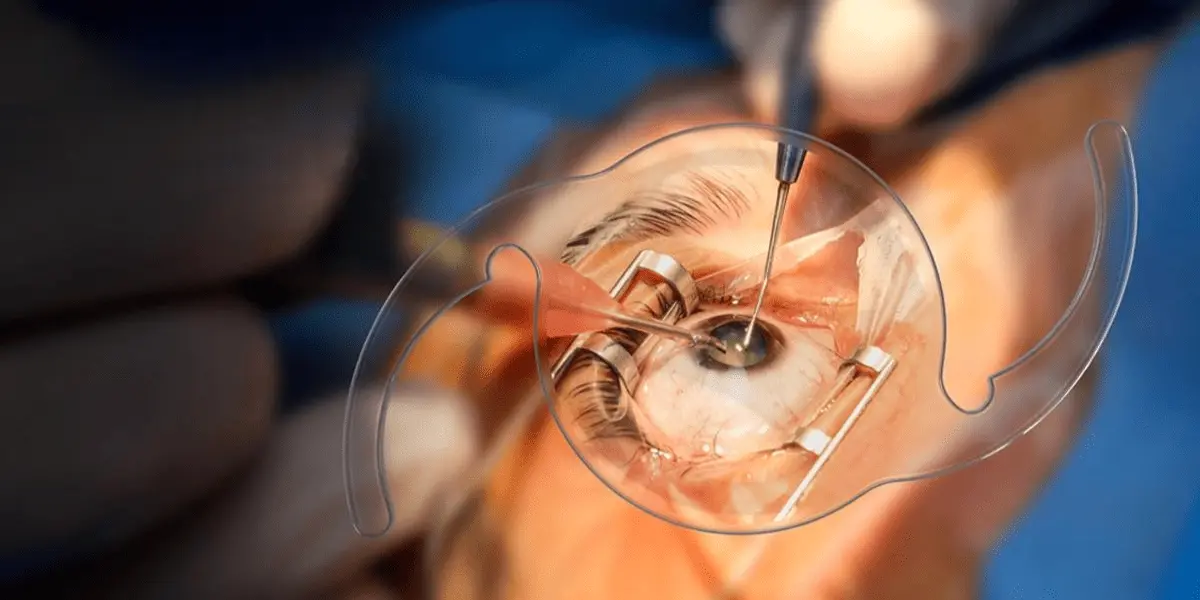
A cataract is a clouding of the eye's natural lens — a normal part of ageing that eventually makes vision hazy, colours dull, and night driving difficult. Glasses stop helping because the problem isn't focus; it's the lens itself.
Surgery is the only effective treatment, and modern surgery is far gentler than most people expect. At Arham Eye Care in Ghatkopar East, we use phacoemulsification: the cloudy lens is broken up with ultrasound and removed through a small, self-sealing incision under anaesthetic drops — no injections, no stitches, no eye patch for weeks. Most patients notice clearer vision within a day or two.
There's no fixed "ripeness" you must wait for. The right time is when the cataract starts interfering with what you want to do — reading, driving, recognising faces, managing glare. At your evaluation we'll grade the cataract, check the rest of the eye (retina, pressure, cornea), and tell you honestly whether surgery now will actually help, or whether it can safely wait.
The artificial lens implanted during surgery stays with you for life, so the choice matters:
We measure your eye with optical biometry and discuss your routine — how much you read, drive, use screens — before recommending a lens. For a deeper comparison, read our guide to choosing the right IOL.
Why Arham Eye Care
Dr. Hemali Doshi — MS Ophthalmology (Gold Medalist), FPRS fellowship at Nethradhama, Bangalore under Dr. Sri Ganesh. 10+ years, 5,000+ surgeries. Full profile.
Detailed on-site diagnostics before any surgical recommendation. We won't suggest a procedure your eyes can't safely take — often the answer is not surgery.
Modular operation theatre with modern surgical platforms, minutes from Ghatkopar station. Most patients are home the same day.
Common questions
The procedure itself takes about 15–20 minutes per eye, done under anaesthetic drops. With preparation and recovery time you're typically at the clinic for a few hours, and home the same day.
It depends on the lens you choose. With a monofocal IOL you'll usually need reading glasses; multifocal and EDOF lenses are designed to reduce or eliminate dependence on glasses. We'll discuss what fits your routine before surgery.
Usually yes, for a while — a cataract is not an emergency in most cases. But very advanced cataracts get harder to remove safely, and poor vision affects daily life and increases fall risk. An evaluation tells you how much room you have.
Typically the two eyes are done a short interval apart, so the first eye can settle and you're never without functional vision. We'll plan the schedule with you.