Services · Glaucoma
Glaucoma steals vision silently — by the time you notice, damage is permanent. Caught early, it can almost always be controlled.
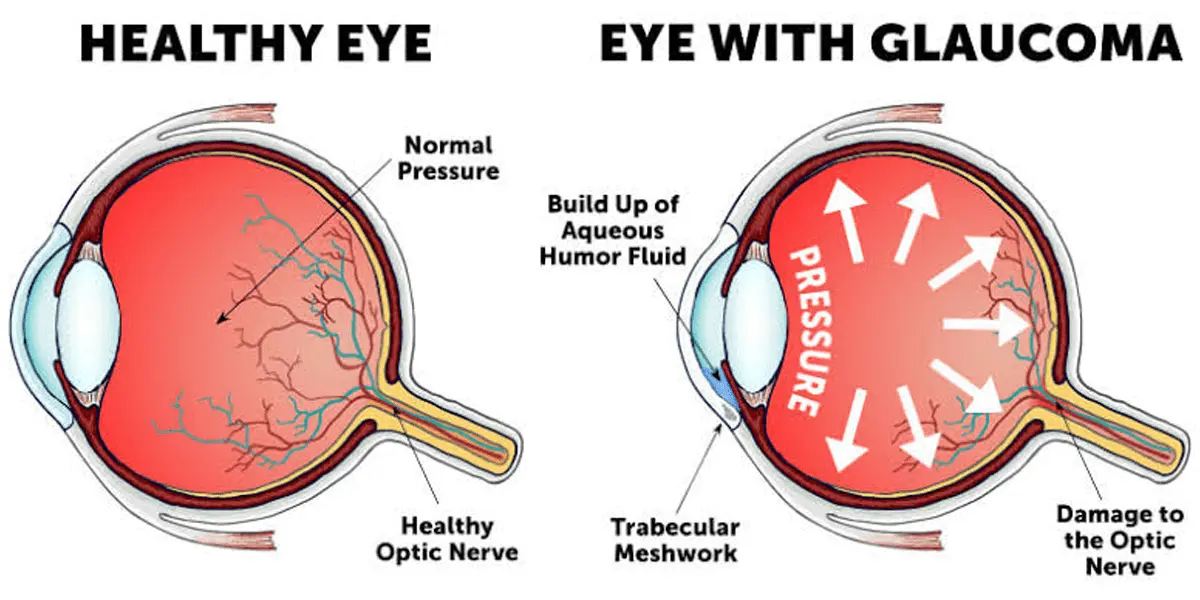
Glaucoma is a group of diseases in which pressure inside the eye damages the optic nerve — the cable carrying vision to the brain. It's often called the silent thief of sight: peripheral vision goes first, painlessly, and what's lost cannot be restored. That makes early detection everything.
Screening is simple and painless: eye-pressure measurement, optic disc examination at the slit lamp, and visual field testing when indicated. We screen for and manage open-angle, angle-closure, normal-tension and congenital glaucoma.
Glaucoma can't be cured, but it can be controlled — usually for life — with a stepped approach:
The goal is always the same: keep the pressure at a level your optic nerve can tolerate, with the least burdensome treatment that achieves it — then monitor, because glaucoma management is a long-term partnership, not a one-time fix.
Why Arham Eye Care
Dr. Hemali Doshi — MS Ophthalmology (Gold Medalist), FPRS fellowship at Nethradhama, Bangalore under Dr. Sri Ganesh. 10+ years, 5,000+ surgeries. Full profile.
Detailed on-site diagnostics before any surgical recommendation. We won't suggest a procedure your eyes can't safely take — often the answer is not surgery.
Modular operation theatre with modern surgical platforms, minutes from Ghatkopar station. Most patients are home the same day.
Common questions
No — but it can almost always be controlled. Treatment stops or slows further damage; it cannot bring back vision already lost. That's why catching it early, before you notice anything, matters so much.
Yes — that's typical. Most glaucoma is painless and symptom-free until late, because side vision goes first and the brain fills in the gaps. A pressure check and optic nerve examination during a routine visit is how it gets caught.
Most patients never do. Drops control the majority of cases; laser helps many others. Surgery is reserved for eyes where pressure stays too high despite drops and laser, or where drops aren't practical.
Once glaucoma is diagnosed or suspected, reviews are typically every 3–6 months depending on stability — pressure checks, periodic visual fields and disc assessment. Consistency matters more than any single visit.