Services · Cornea & keratoconus
Keratoconus is increasingly common in young Indian patients. Caught early, its progression can be halted — and good vision preserved.
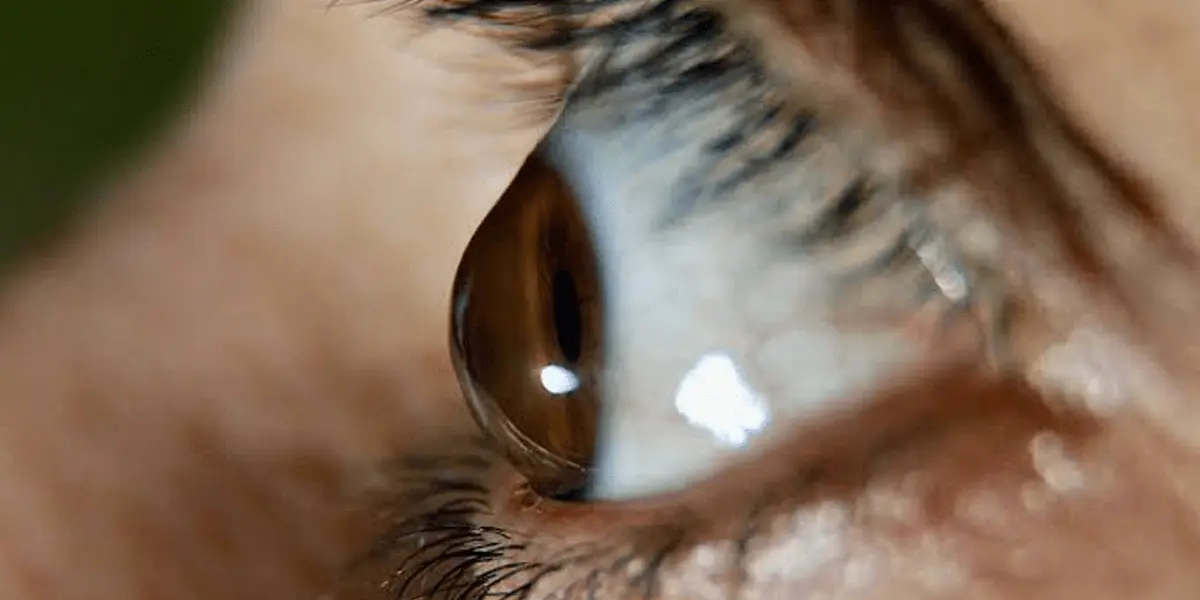
The cornea is the clear front window of the eye. In keratoconus, it progressively thins and bulges into a cone shape, distorting vision in a way glasses can't fully fix. It typically appears in the teens and twenties — and it's being diagnosed more and more often in young Indian patients.
Diagnosis is made with corneal topography, which maps the corneal shape in detail and catches keratoconus long before it's visible on routine examination. The same scan is mandatory before any LASIK-type surgery — undiagnosed keratoconus is the main reason laser surgery gets ruled out.
Beyond keratoconus, we also manage corneal infections, dry eye and other surface disease — and one instruction applies to every corneal patient: stop rubbing your eyes.
Why Arham Eye Care
Dr. Hemali Doshi — MS Ophthalmology (Gold Medalist), FPRS fellowship at Nethradhama, Bangalore under Dr. Sri Ganesh. 10+ years, 5,000+ surgeries. Full profile.
Detailed on-site diagnostics before any surgical recommendation. We won't suggest a procedure your eyes can't safely take — often the answer is not surgery.
Modular operation theatre with modern surgical platforms, minutes from Ghatkopar station. Most patients are home the same day.
Common questions
Keratoconus very rarely causes total blindness. With cross-linking to stop progression and specialty lenses for vision, the large majority of patients maintain good functional vision. The key is acting before the cornea scars or thins severely.
The procedure is done under numbing drops. Expect discomfort, watering and light sensitivity for a few days while the surface heals — manageable with medication, and a small price for halting the disease.
No — laser procedures that thin the cornea make keratoconus worse and are strictly avoided. That's exactly why corneal topography is mandatory before any refractive surgery. ICL may be an option in stable, selected cases.
Rubbing mechanically weakens an already-thin cornea and is strongly linked to keratoconus progression. If allergy is driving the itch, treating the allergy is part of treating the keratoconus.