Services · Refractive surgery
Four modern ways to live without glasses. The right one depends on your corneas and your life — which is why we image first and recommend second.
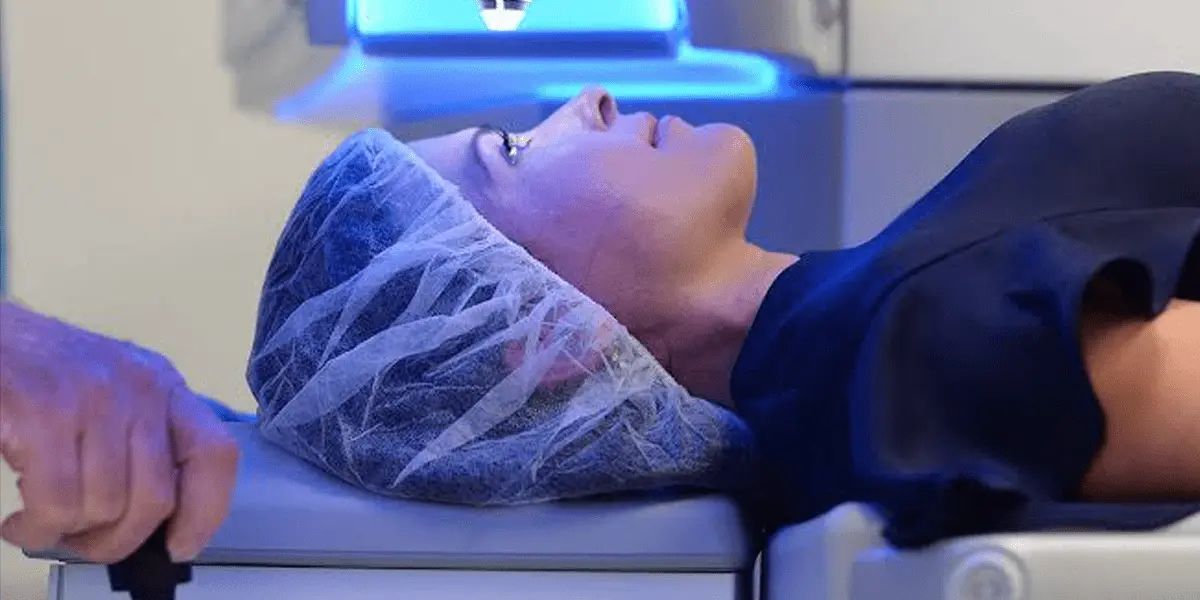
If you're tired of glasses or contact lenses, modern refractive surgery offers several reliable paths to clear, unaided vision. No single procedure is universally "best" — the right choice depends on your corneal thickness and shape, your refractive power, your age and your lifestyle.
Everything starts with imaging: corneal topography (Pentacam), corneal thickness mapping, and biometry. These tests tell us which procedures your eyes can safely take — and rule out hidden problems like early keratoconus, where laser surgery must be avoided. If the tests say your eyes aren't suited to the procedure you came in wanting, we'll tell you, and tell you why.
Dr. Hemali Doshi trained in refractive surgery at Nethradhama Superspeciality Eye Hospital, Bangalore, under Dr. Sri Ganesh — one of India's pioneering refractive surgeons and a global trainer for SMILE — with hands-on training across FEMTO LASIK, SMILE and Phakic IOL platforms.
Laser procedures take minutes per eye under numbing drops. Most LASIK and SMILE patients see well by the next morning and return to desk work within a day or two; PRK takes longer to settle. You'll use drops for a few weeks and avoid eye rubbing, swimming and dusty environments for a while.
Wondering if your power, age or corneas qualify? Read our detailed eligibility guide, or send us your latest prescription on WhatsApp.
Why Arham Eye Care
Dr. Hemali Doshi — MS Ophthalmology (Gold Medalist), FPRS fellowship at Nethradhama, Bangalore under Dr. Sri Ganesh. 10+ years, 5,000+ surgeries. Full profile.
Detailed on-site diagnostics before any surgical recommendation. We won't suggest a procedure your eyes can't safely take — often the answer is not surgery.
Modular operation theatre with modern surgical platforms, minutes from Ghatkopar station. Most patients are home the same day.
Common questions
Neither is universally better. SMILE is flapless and suits active lifestyles and drier eyes; LASIK has a longer track record and handles certain corrections particularly well. Your corneal imaging usually makes the choice clear — and we'll explain the reasoning, not just the verdict.
Often yes. When the power is too high (or the cornea too thin) for laser procedures, an ICL — a permanent lens implanted inside the eye — can correct very high myopia safely, without touching the cornea.
Most LASIK and SMILE patients are back at desk work within a day or two. PRK recovery is slower — about a week of blur. We'll plan timing around your work and commitments.
The reshaping is permanent, and the prescription must be stable before surgery — that's part of the eligibility check. Age-related reading glasses (after ~40) and cataract later in life are separate, natural changes that affect everyone.